


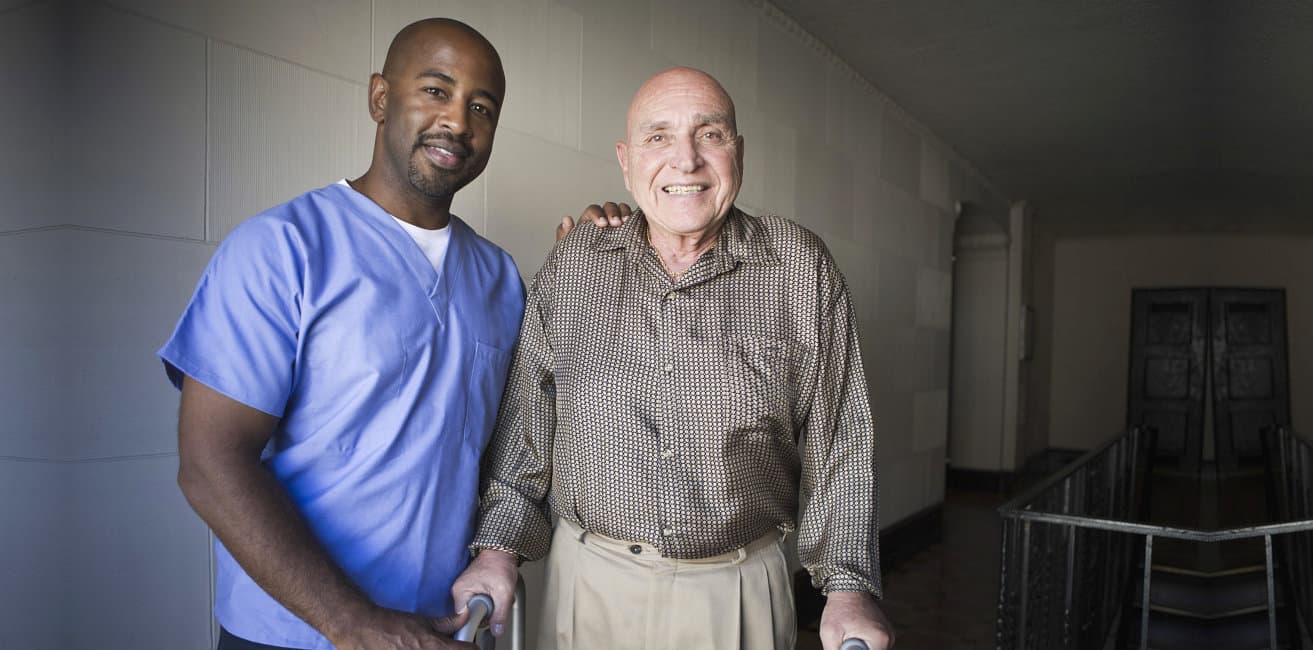


Watching your parents grow older can be emotional and challenging. While many seniors want to remain independent, there often comes a time when everyday tasks become difficult or even unsafe. Recognizing the early warning signs can help families provide the support their loved ones need before a crisis occurs.
If you’re wondering whether it’s time to consider professional in-home care, here are seven common signs to look for.
1. They Are Struggling with Daily Activities
Simple routines like bathing, dressing, cooking meals, or getting around the house may become increasingly difficult with age. If your loved one is skipping meals, wearing the same clothes for days, or struggling with personal hygiene, they may need assistance with activities of daily living (ADLs).
Professional caregivers can provide respectful support while helping seniors maintain their independence and dignity.
2. Frequent Falls or Mobility Issues
Falls are one of the leading causes of injury among older adults. If your parent has experienced a recent fall, has difficulty walking, or avoids stairs due to fear of falling, it may be time to consider home care.
Caregivers can assist with mobility, transfers, and maintaining a safer home environment, reducing the risk of accidents.
3. Memory Loss Is Affecting Daily Life
Occasional forgetfulness is normal, but forgetting medications, appointments, paying bills, or leaving appliances on may indicate a more serious issue.
Companion caregivers can provide medication reminders, establish routines, and offer supervision that helps seniors remain safe at home.
4. The Home Is Becoming Untidy
A once-clean home that is now cluttered or unkempt may suggest your loved one is having trouble keeping up with household chores.
Signs include:
- Unwashed dishes
- Overflowing trash
- Laundry piling up
- Spoiled food in the refrigerator
- Unopened mail
Light housekeeping and meal preparation are common in-home care services that help create a healthier living environment.
5. They Are Becoming Socially Isolated
Loneliness can have a significant impact on both physical and mental health. Seniors who stop participating in hobbies, avoid social gatherings, or rarely leave the house may be experiencing isolation.
Companion care provides meaningful conversation, shared activities, and emotional support that can improve overall well-being.
6. Family Caregivers Are Feeling Overwhelmed
Many family members balance caregiving with careers, children, and other responsibilities. If caregiving is becoming physically or emotionally exhausting, professional in-home care can provide valuable respite and help prevent caregiver burnout.
Even a few hours of support each week can make a meaningful difference for the entire family.
7. They Want to Continue Living at Home
Many older adults prefer to age in place rather than move to an assisted living facility. In-home care makes this possible by providing personalized assistance tailored to each individual’s needs.
Whether your loved one needs companionship, personal care, transportation, or help with household tasks, professional caregivers can support their independence while giving families peace of mind. Home care services commonly include personal care, companionship, meal preparation, light housekeeping, transportation, and medication reminders to help older adults remain safely at home.