

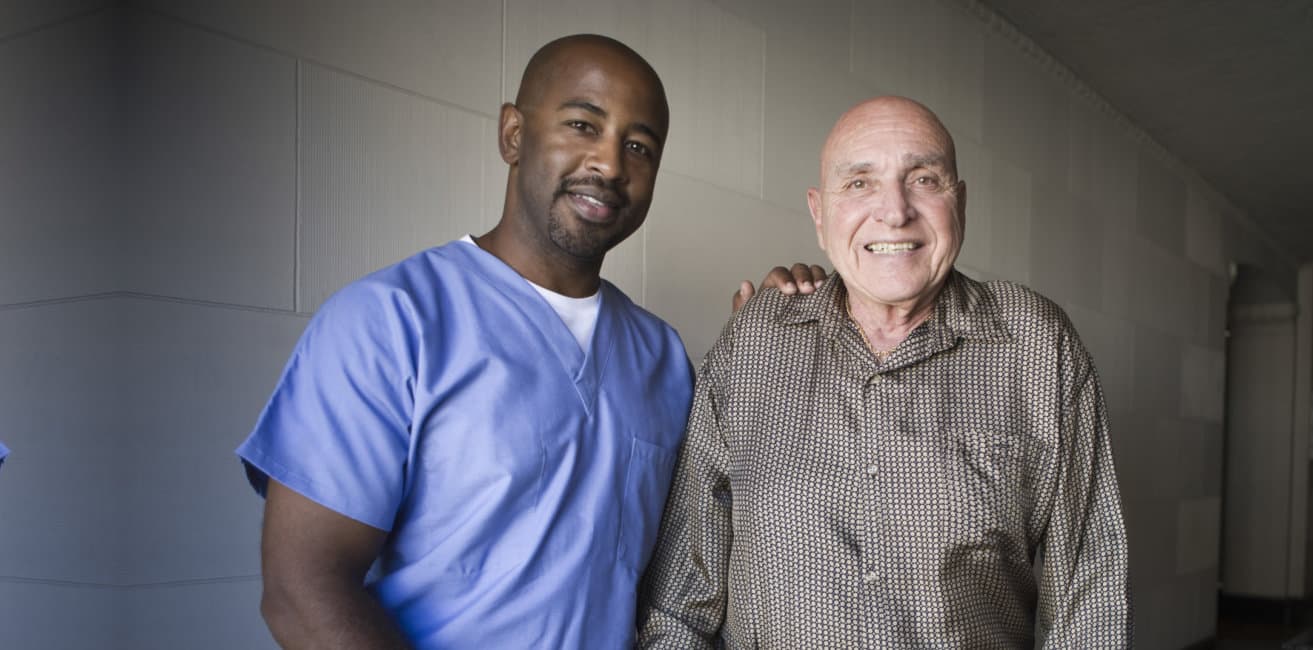
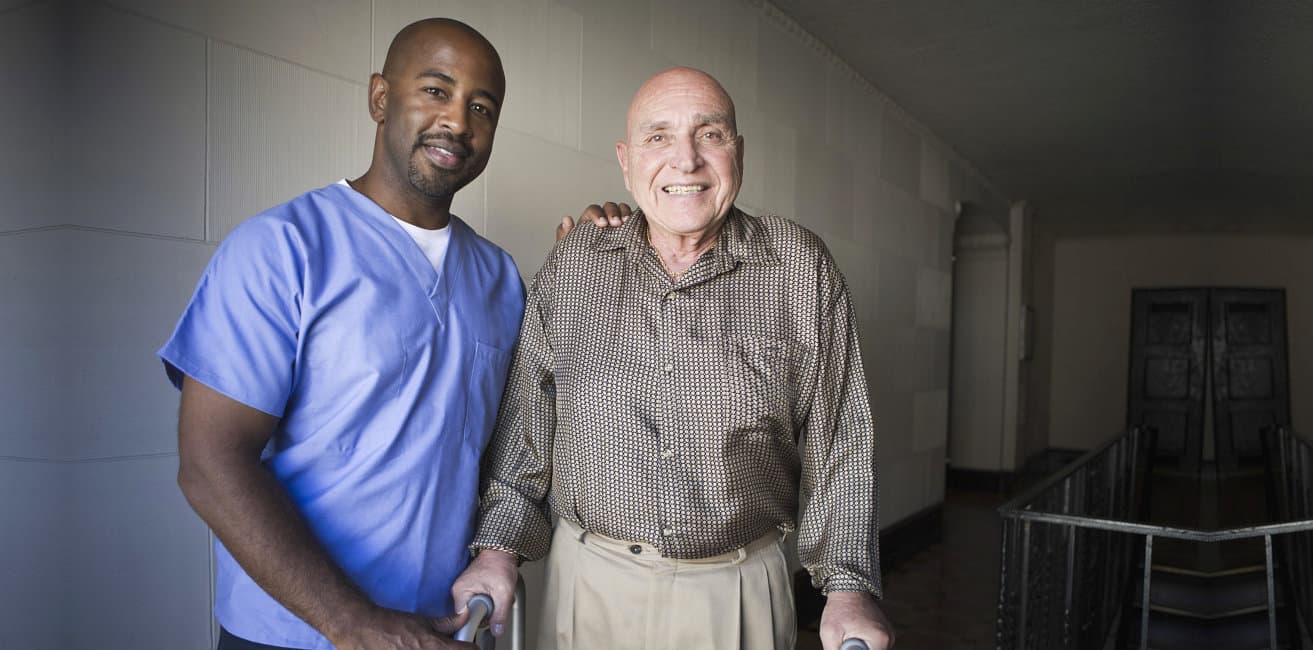


In-home care can help older adults remain safe, independent, and comfortable in their own homes. If you’re unsure whether your loved one needs additional support, these 10 warning signs can help you recognize when it’s time to consider professional care.
Watching your parents grow older can be emotional. Many seniors value their independence and want to remain in the comfort of their own homes for as long as possible. However, there comes a point when living alone may become difficult or even unsafe.

Recognizing the early warning signs can help families provide the right support before a minor concern becomes a major emergency. In-home senior care offers personalized assistance while allowing older adults to maintain their dignity, independence, and familiar routines.
Below are ten common signs that your loved one may benefit from professional home care.
1. Frequent Falls or Mobility Problems
Falls are one of the leading causes of injuries among older adults. If your parent has difficulty walking, struggles with stairs, or has experienced recent falls, professional caregivers can provide mobility assistance and help reduce the risk of future accidents.
Warning signs include:
- Unexplained bruises
- Difficulty standing from chairs
- Holding onto furniture while walking
- Fear of walking alone
2. Difficulty Managing Daily Activities
Simple daily tasks can become overwhelming with age.
Look for struggles with:
- Bathing
- Dressing
- Grooming
- Preparing meals
- Household cleaning
- Laundry
When these activities become difficult, in-home caregivers can provide assistance while encouraging as much independence as possible.
3. Noticeable Weight Loss or Poor Nutrition
An empty refrigerator, spoiled food, or skipped meals may indicate that your loved one is no longer able to shop or cook safely.
Poor nutrition can lead to:
- Weakness
- Increased illness
- Slower recovery
- Higher fall risk
Professional caregivers can help with meal planning, grocery shopping, and healthy meal preparation.
4. Forgetfulness That Impacts Daily Life
Occasionally forgetting where the keys are is normal. However, forgetting medications, leaving the stove on, or missing important appointments could indicate a need for additional support.
Early assistance can improve safety and help seniors stay organized.
5. Poor Personal Hygiene
Changes in appearance often happen gradually.
Signs include:
- Wearing dirty clothes
- Body odor
- Unwashed hair
- Neglected oral hygiene
These changes may result from limited mobility, memory loss, or depression.
6. An Untidy or Unsafe Home
A home that was once neat may become cluttered or hazardous.
Watch for:
- Dirty dishes piling up
- Unopened mail
- Expired food
- Laundry everywhere
- Tripping hazards
Caregivers can assist with light housekeeping and create a safer living environment.
7. Missed Medications
Medication management becomes increasingly complicated as prescriptions change.
Missing medications—or taking them incorrectly—can lead to serious health complications.
Home caregivers can provide reminders and help seniors follow medication schedules as directed by their healthcare providers.
8. Increased Isolation or Loneliness
Many seniors spend long periods alone, which can contribute to depression, anxiety, and declining health.
Companion care provides:
- Friendly conversation
- Social engagement
- Assistance with hobbies
- Walks and outings
- Emotional support
Social interaction is just as important as physical care.
9. Family Caregiver Burnout
Sometimes the warning sign isn’t the senior—it’s the caregiver.
If family members are experiencing:
- Exhaustion
- Stress
- Missed work
- Emotional fatigue
Professional home care can provide much-needed respite while ensuring your loved one continues receiving compassionate support.
10. Recovery After Surgery or Hospitalization
Returning home after surgery or illness often requires temporary assistance.
Home caregivers can help with:
- Meal preparation
- Personal care
- Mobility support
- Transportation
- Daily routines
This additional support often helps seniors recover safely and comfortably at home.
Helping Hand Senior can help you get started: